To Discover

Around Us

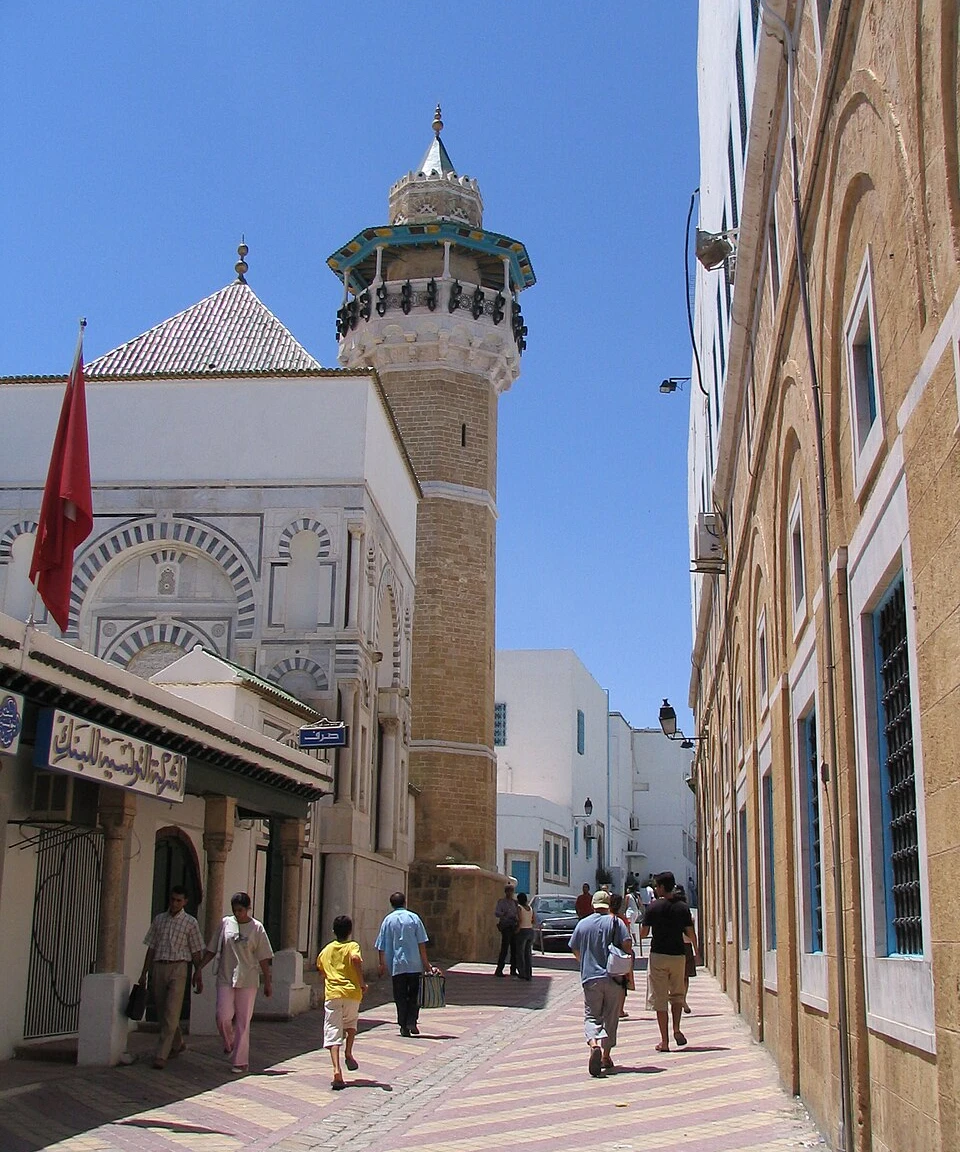
The Medina of Tunis

The historical heart of Tunis, the Medina has been a UNESCO World Heritage site since 1979. Founded in 698 around the original core of the Zitouna Mosque, it developed its urban fabric throughout the Middle Ages.


Having become the capital of a powerful Hafsid kingdom, a religious and intellectual hub, and a major economic center open to the Near East, the Maghreb, Africa, and Europe, it boasts numerous monuments blending the styles of Ifriqiya with Andalusian and Oriental influences, while also incorporating columns and capitals borrowed from Roman and Byzantine monuments.

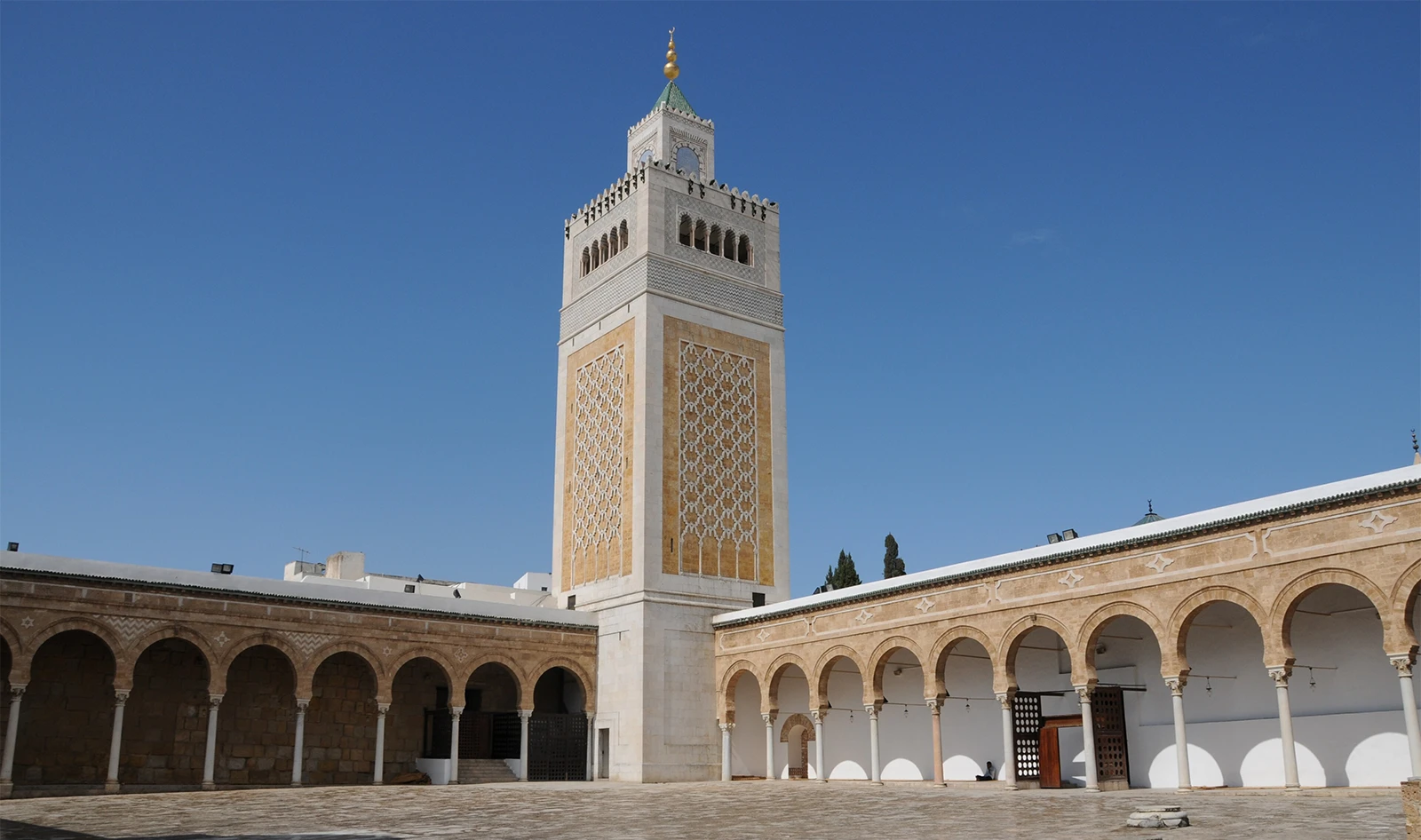
The Zitouna Mosque

Dating back to 704 AD, the Zitouna Mosque, or “Mosque of the Olive,” is the main mosque of the Medina of Tunis. It is the oldest and largest sanctuary in the Tunisian capital. Built on an area of approximately 5,000 m², the mosque features nine entrances and contains 184 ancient columns, mainly sourced from the site of Carthage. Long used as a defensive post facing the sea, it still retains two watchtowers at its northeast and southeast corners.

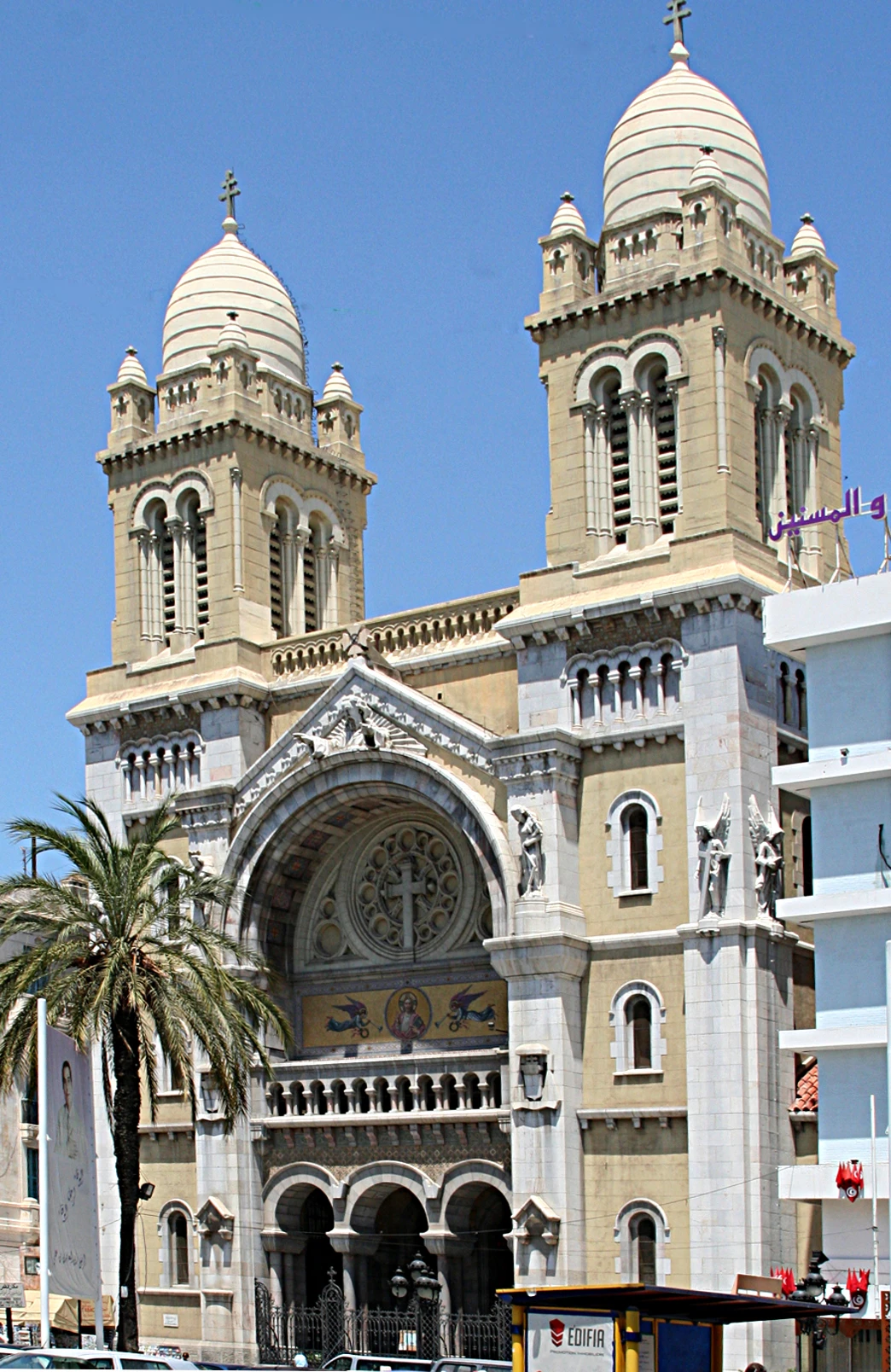
Saint Vincent de Paul Cathedral

Built in a Romano-Byzantine style, Saint Vincent de Paul Cathedral was constructed between 1893 and 1897. It is named after Saint Vincent de Paul, the renowned founder of the Lazarists and the Daughters of Charity, who, as a young priest, was captured and sold as a slave in Tunis at the very beginning of the 17th century. The cathedral notably welcomed Pope John Paul II during his visit to Tunisia in 1997.

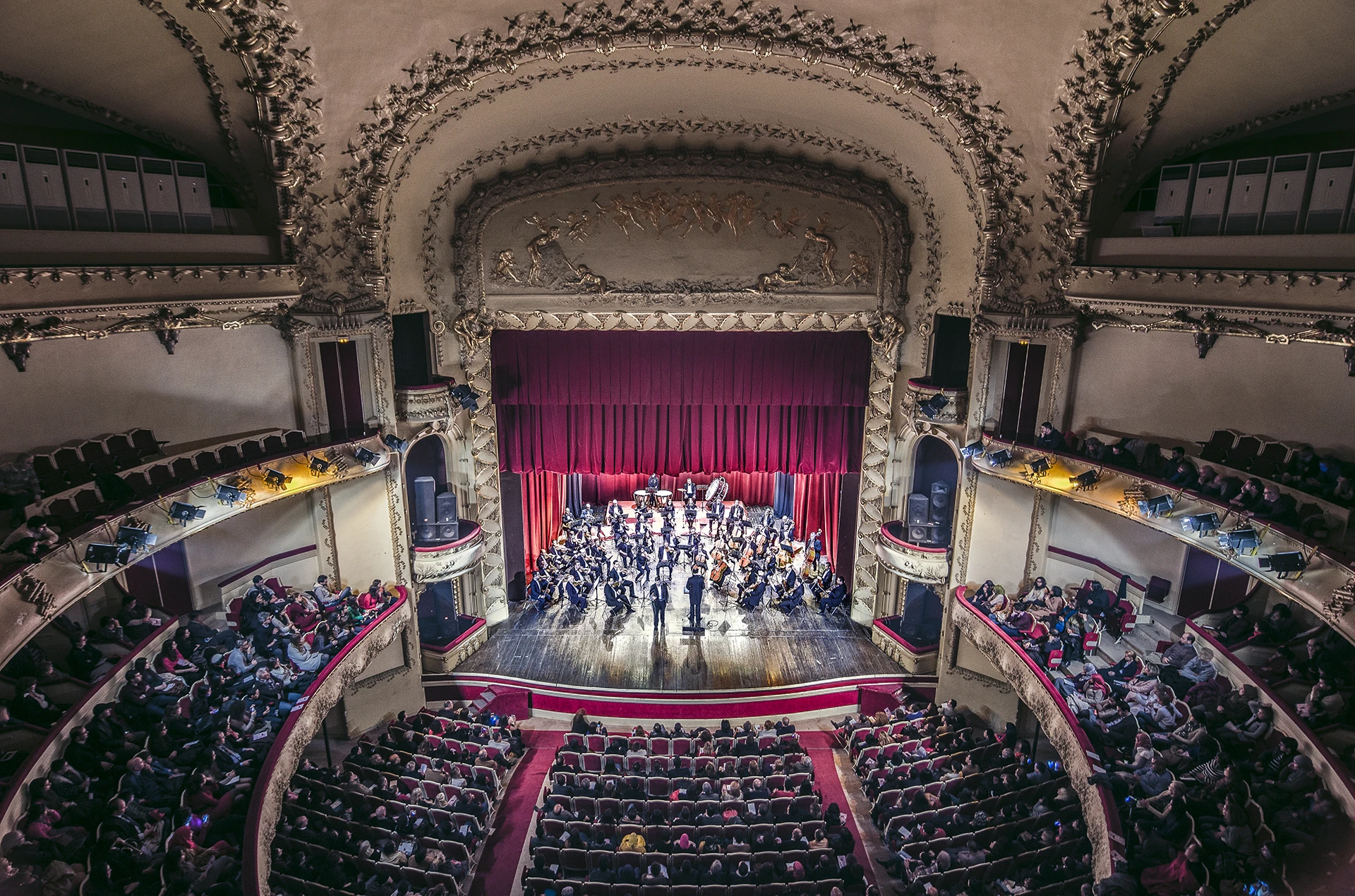
Tunis Municipal Theater

Built in the Art Nouveau style on the current Avenue Habib Bourguiba, the Tunis Municipal Theater was inaugurated on November 20, 1902, and was originally called the “Municipal Casino of Tunis.” Familiarly nicknamed the “bonbonnière” due to its shape, the building was designed by architect Jean-Émile Resplandy, who created numerous other buildings in Tunis and served as architect to the Beylical family. A complete renovation of the theater was carried out in 2001 on the occasion of its centenary.

Belvédère Park

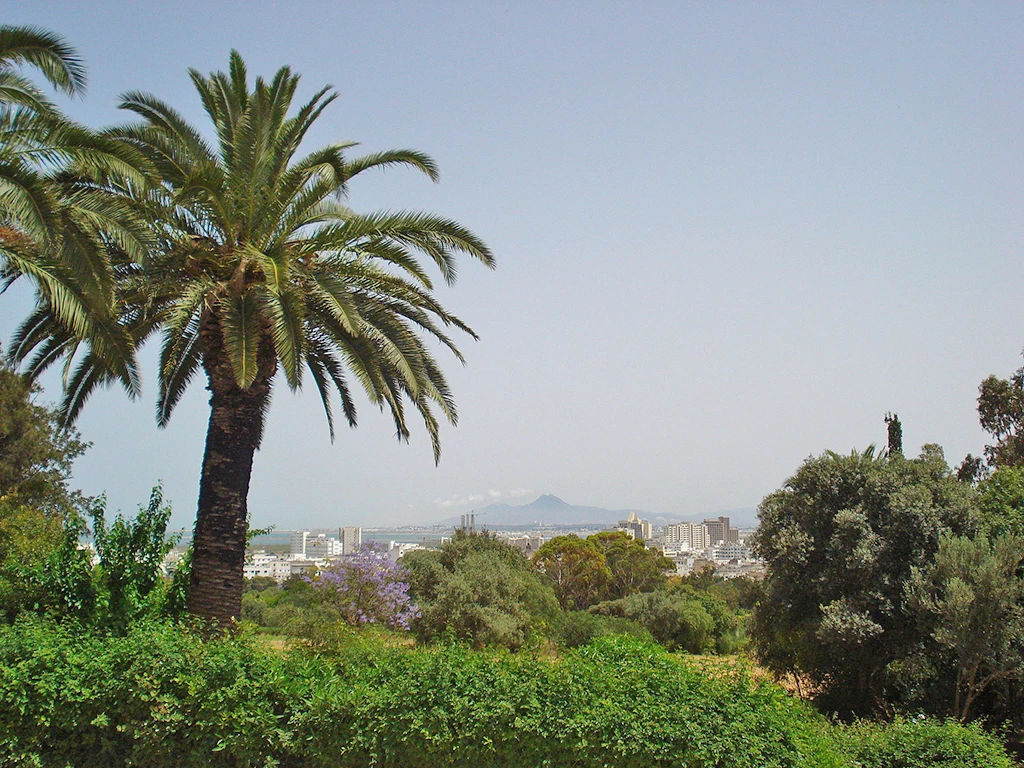
A true oasis of greenery in the heart of the city, the park is in fact a very large area crisscrossed by paths that can be explored on foot or by car. Situated on a hillside, it is harmoniously landscaped and planted with a variety of species (pines, palms, ficus, eucalyptus, olive trees, etc.). The park also features a 13-hectare zoo with 155 species of African wildlife and the Tunis Museum of Modern Art, where visitors can discover works by contemporary Tunisian artists.